12 May 2026 · 6 min
AdultsCan I start piano at 30+? (Yes — here's how it actually goes)
Starting piano as an adult is not 'too late.' Here's what the first lesson actually feels like and the worries that fade away within the first month.
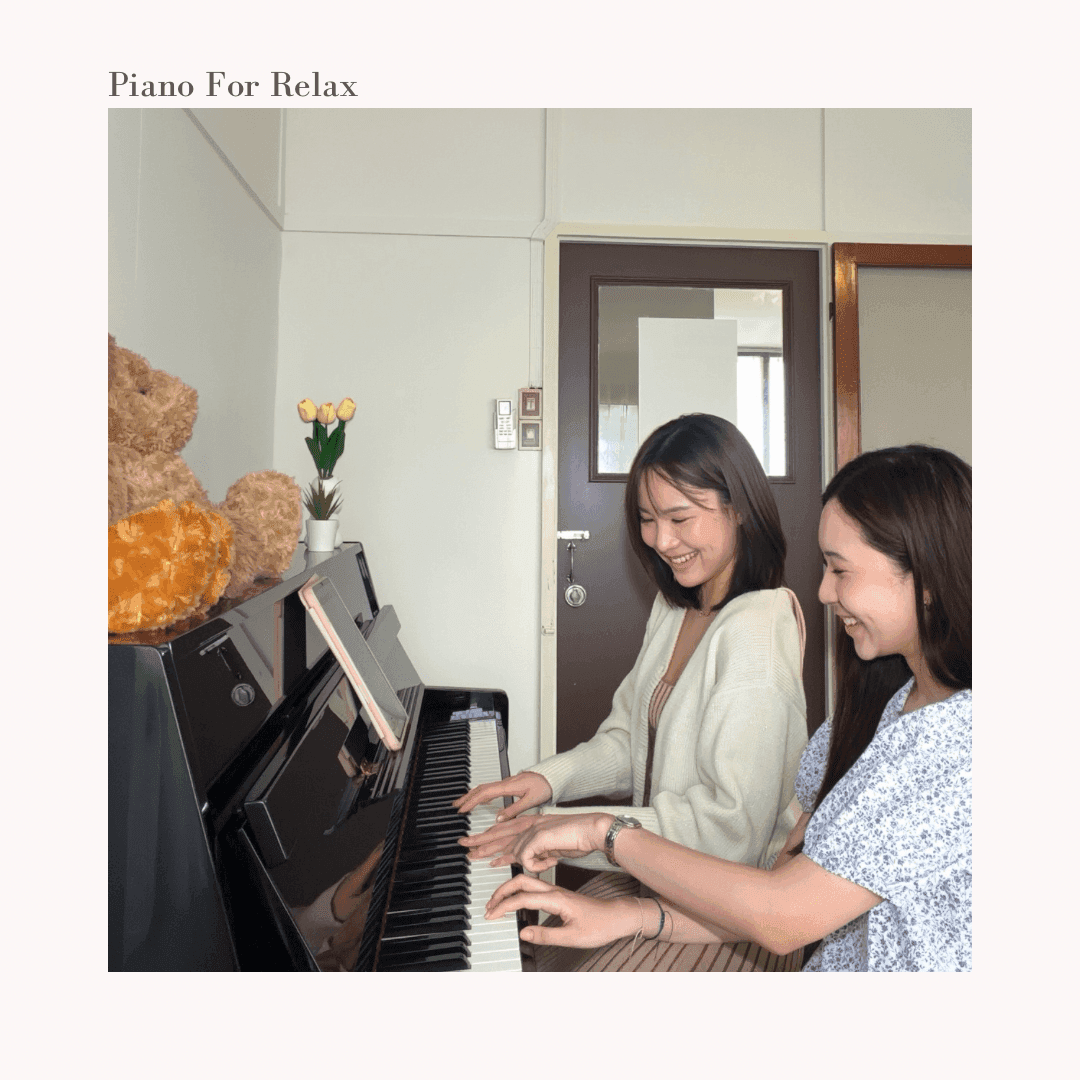
Starting piano as an adult — it's not too late
Adult students starting Piano for Relax almost always ask the same first-day question: 'Am I too old?' Short answer: no. Longer answer: adults bring advantages that children don't have — knowing what music you actually love, understanding your own learning pace, and being able to focus for more than five minutes without wandering off. The 'too old' worry is socially constructed, not biologically real.
What does the first lesson actually feel like?
The first lesson for an adult is not a 30-minute C major scale. Kru Pont asks what your favourite song is and breaks that piece into small finishable chunks. Most adults leave the first lesson having played the opening phrase of a song they thought they'd never play — and that feeling is the hook that makes them come back for lesson two.
Common worries and what's actually true
The most common adult worry is 'my fingers are too stiff.' This concern always dissolves in the first 2–3 sessions. Your hands didn't forget — they just need warming up. We do a short 5-minute relaxation exercise before each lesson so your fingers and shoulders soften before the music starts. The second worry is 'I can't read music' — for Piano for Relax we start by playing by ear and use simplified notation, so there's no need to know everything at once.
How quickly do adults actually progress?
Within the first 4 classes (one course), most adult students can play the opening phrase of a favourite song. Within three months (three courses), many play through one or two complete pieces — enough to play for enjoyment at home any time. Progress isn't always linear, but with 15 minutes of daily practice, improvement shows up clearly.
How much home practice is needed?
15–20 minutes daily, consistently, beats two hours once a week every time. Short daily sessions are the most effective approach — and they make a great substitute for a phone-scrolling break. Once you start playing music you genuinely like, most people find they want to practice without any forcing.
Do you need a piano at home before starting?
No — start at the studio. Many people find they don't need to invest in their own instrument right away. A digital keyboard in the ฿5,000–10,000 range is plenty for home practice for the first 3–6 months. Kru Pont recommends doing one Onsite course first to make sure you're committed before buying any hardware.
Learning adult piano with Kru Pont in Nonthaburi
Kru Pont specialises in teaching adults — both complete beginners and people who learned as children and then stopped for years. The Therapy Style approach means adults with limited time and accumulated stress get the most out of every session. Book a first lesson to see whether piano fits your life. Read more about how we apply Music Therapy principles in every class.
What if you learned as a child and stopped for years?
This group often progresses faster than true beginners because the body remembers the feel of the piano even when the brain has forgotten the notes. Kru Pont will assess your current level in the first lesson and design a path that builds on what remains while filling in what's been lost.
More articles
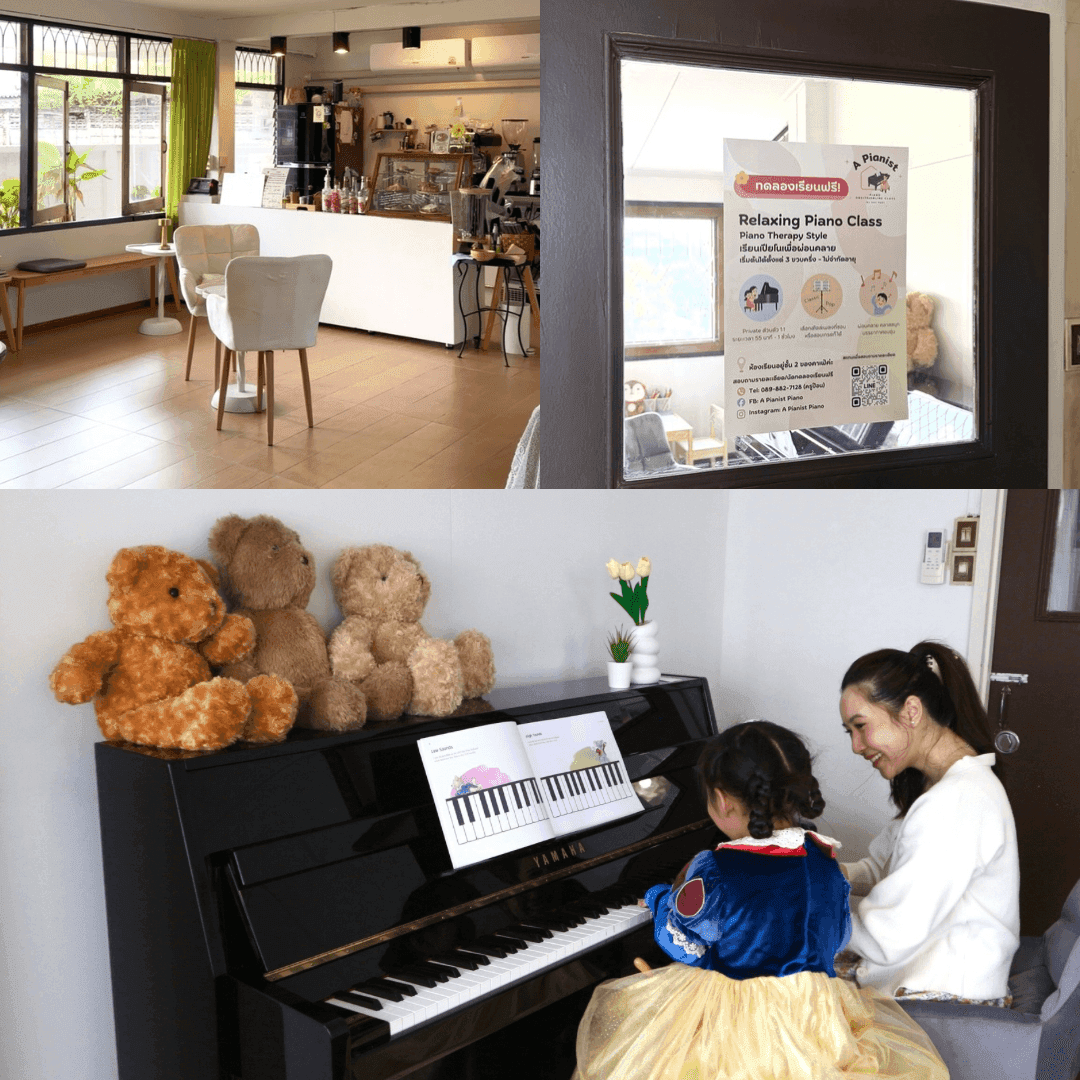
Piano Lessons in Nonthaburi — Everything to Know Before Your First Lesson
Looking for piano lessons near Nonthaburi? This guide covers course options, pricing, how to get here, and what to expect from your first lesson.
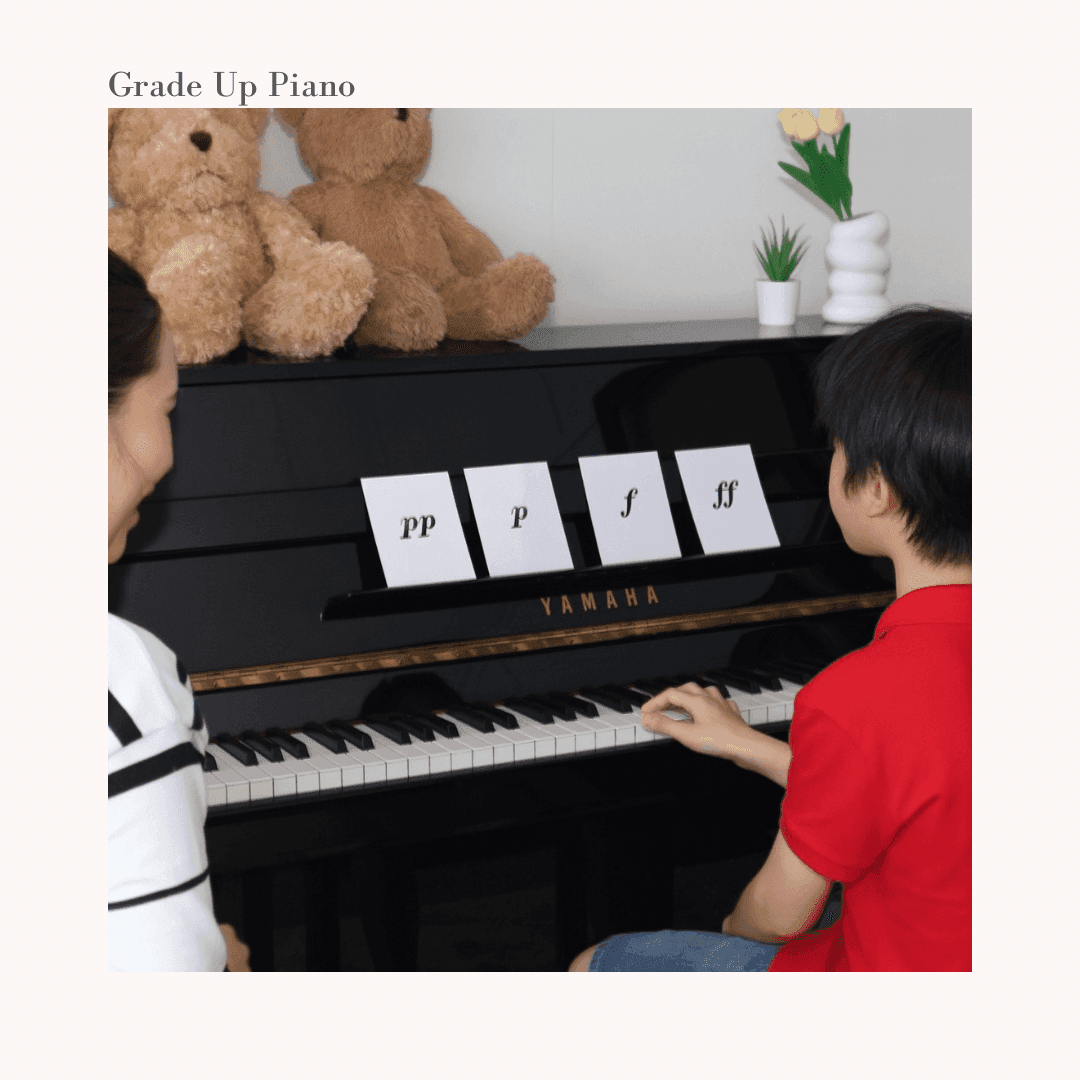
Piano Lesson Prices in Thailand 2026 — What You Get and What to Expect
Wondering how much piano lessons cost in Thailand? This post breaks down group vs. private, online vs. onsite, and what questions to ask before you pay.
What Age Can Kids Start Piano? — An Honest Answer from Experience
Most parents wonder whether their child is ready for piano lessons. This post gives a direct answer on the right starting age and signs that your child is ready.