
30 August 2026 · 5 min
GuideHow to Practice Piano Effectively — A Realistic Routine for Kids and Adults
More practice time doesn't automatically mean more progress. Here's the routine Kru Pont actually recommends — short, consistent, and built around real schedules.
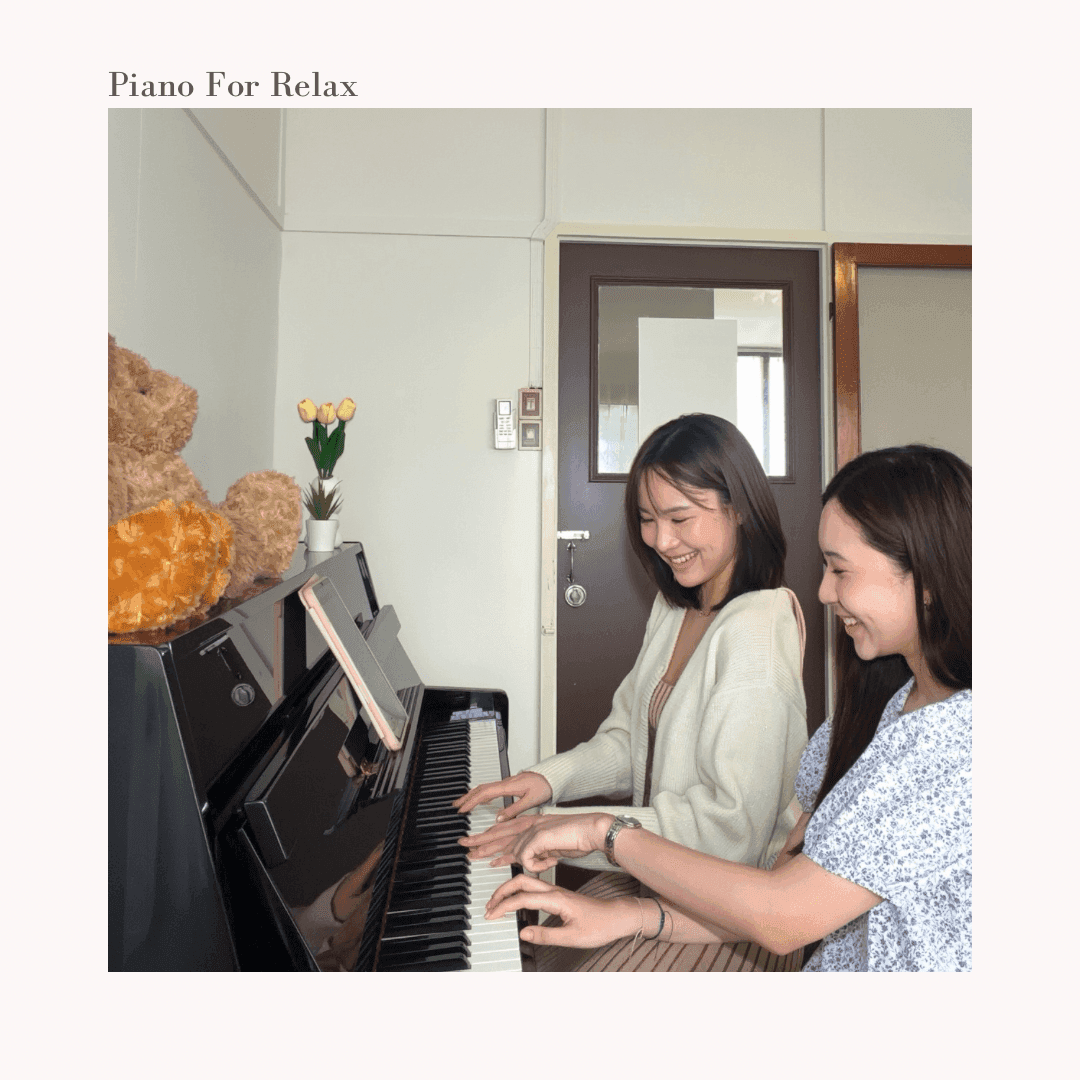
Short and daily beats long and occasional
15–20 minutes every day produces more real progress than a single 2-hour session once a week. This isn't a motivational slogan — it's how motor memory actually works: your hands need frequent, spaced repetition to build muscle memory, not one long cramming session. If you only have 10 minutes some days, that's still worth doing.
Practice with a goal, not just 'playing through'
Playing a piece start to finish every time you sit down feels productive but often isn't. Pick one specific trouble spot — a tricky bar, a hand-coordination moment — and repeat just that section slowly a few times before playing the whole piece. This is the single biggest difference between practice that works and practice that stalls.
For kids: keep sessions short and end on a win
Young Little Pianist students focus best in 10–15 minute bursts. End every session with something they can already play well — never on the hardest new material — so practice time feels rewarding rather than draining. Sitting nearby and showing genuine interest matters more than correcting every mistake.
For adults: protect the time like an appointment
Adult students in Piano for Relax often say the biggest obstacle isn't skill, it's finding consistent time. Treating practice as a fixed 15-minute appointment — even replacing a phone-scrolling break — works better than waiting for a 'free hour' that rarely appears.
For exam students: separate technical work from repertoire
If you're preparing for a Trinity grade, spend the first 5–10 minutes of every session purely on scales and technical exercises before touching your exam pieces — never the reverse. See our Trinity Initial checklist for how this fits into exam-week preparation specifically.
When practice isn't happening, the schedule is usually the problem, not motivation
If practice keeps slipping, the fix is almost always a smaller, more specific commitment (5 minutes after breakfast, every day) rather than a bigger vague one (an hour on weekends). Kru Pont can help build a realistic routine around your actual week in your first lesson.
More articles
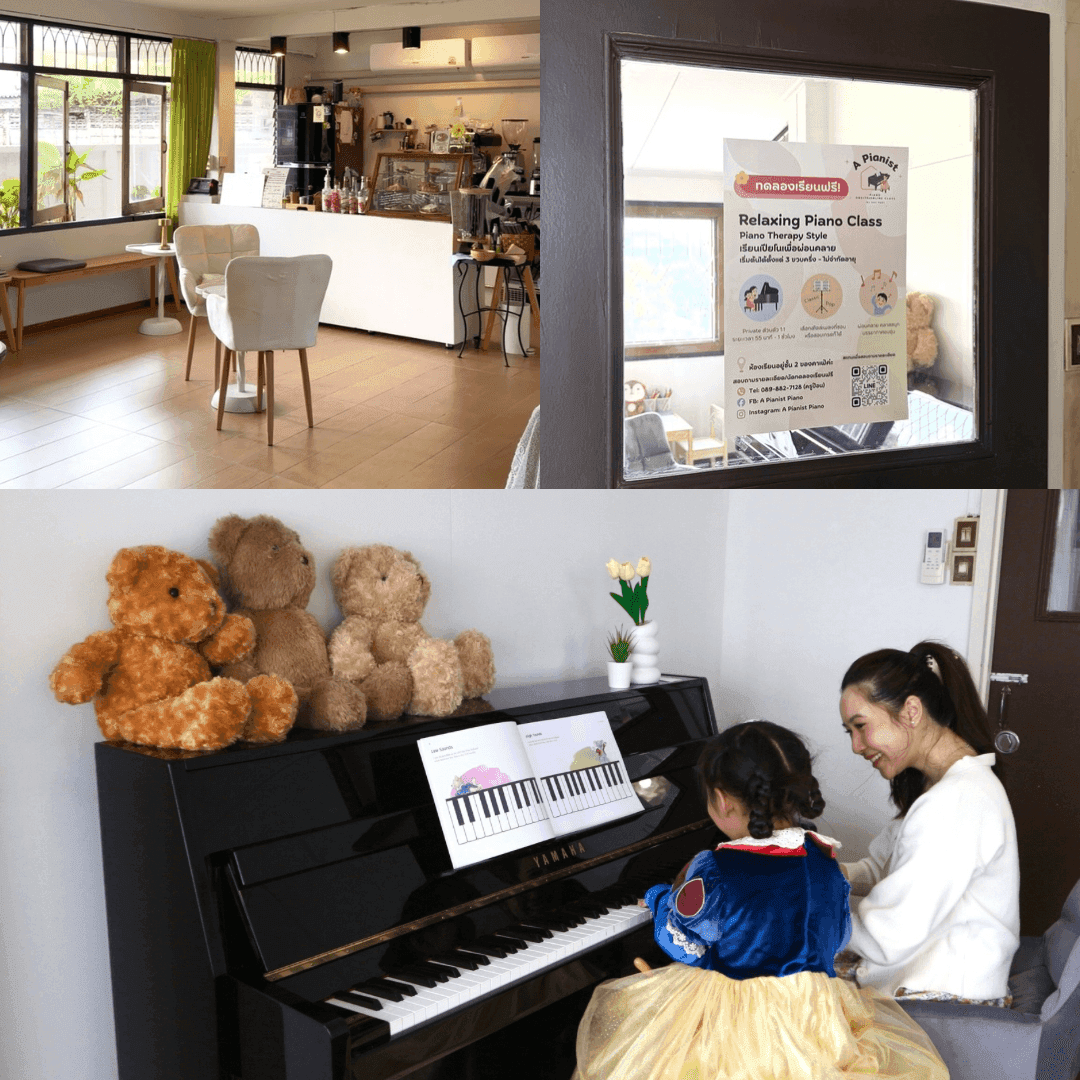
Piano Lessons in Nonthaburi — Everything to Know Before Your First Lesson
Looking for piano lessons near Nonthaburi? This guide covers course options, pricing, how to get here, and what to expect from your first lesson.
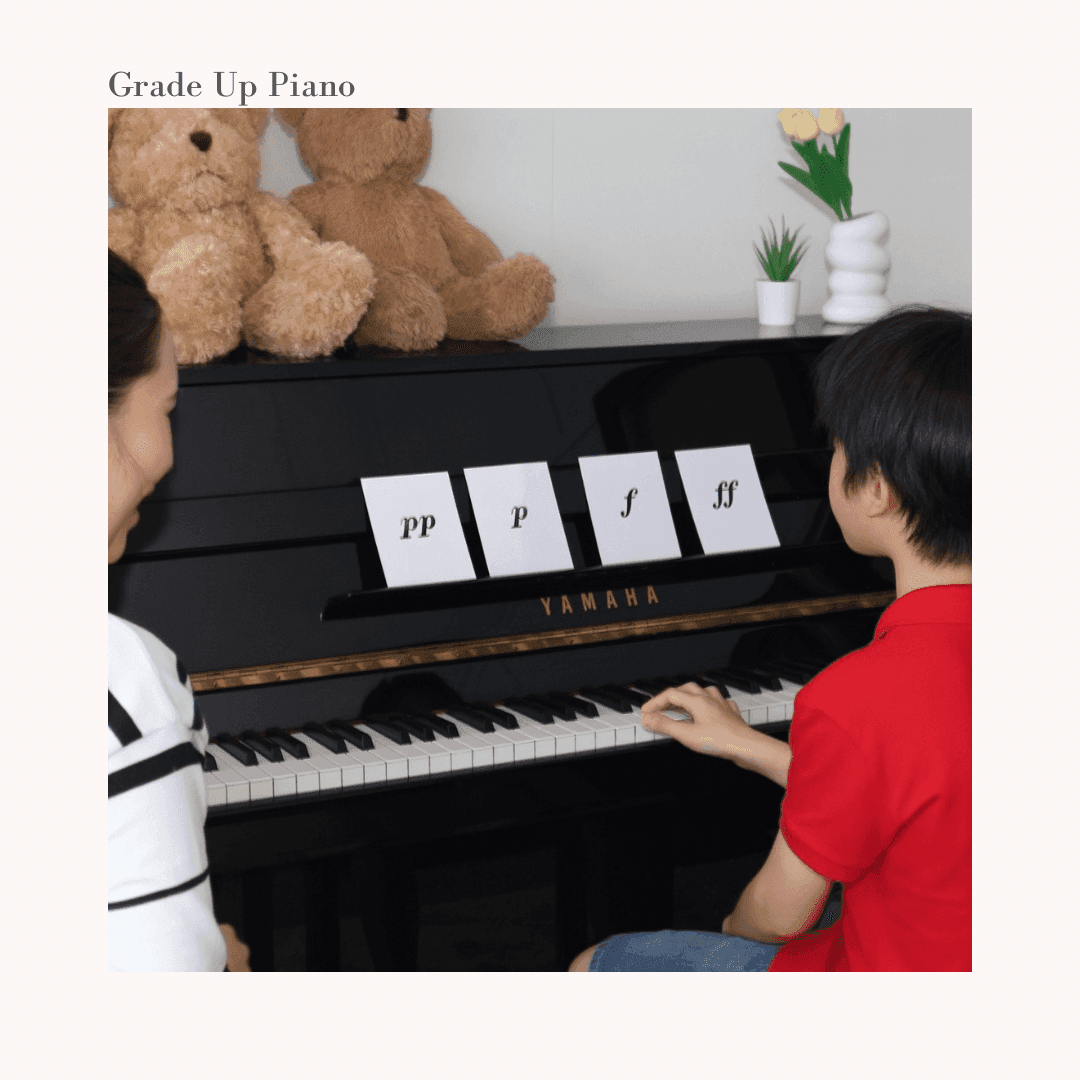
Piano Lesson Prices in Thailand 2026 — What You Get and What to Expect
Wondering how much piano lessons cost in Thailand? This post breaks down group vs. private, online vs. onsite, and what questions to ask before you pay.
Can I start piano at 30+? (Yes — here's how it actually goes)
Starting piano as an adult is not 'too late.' Here's what the first lesson actually feels like and the worries that fade away within the first month.