
11 May 2026 · 6 min
KidsWhat Age Can Kids Start Piano? — An Honest Answer from Experience
Most parents wonder whether their child is ready for piano lessons. This post gives a direct answer on the right starting age and signs that your child is ready.
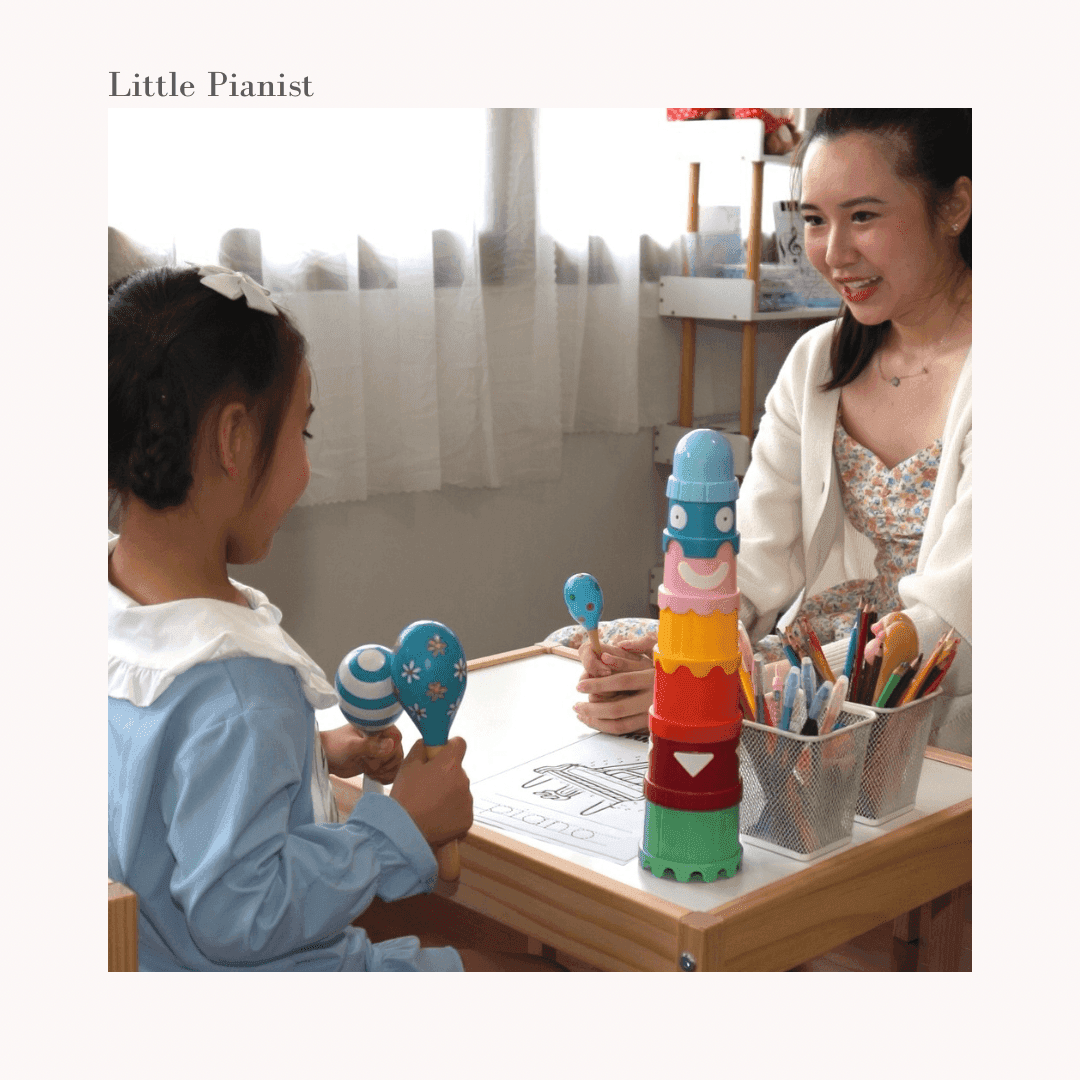
What age can children start piano lessons?
The direct answer is around 3.5 years old — not because of an arbitrary rule, but because this is typically when finger strength is enough to press keys, attention spans reach 20–30 minutes, and simple instructions land clearly. Younger children can enjoy music and songs, but may not yet be ready for structured lessons. Every child develops differently, so looking at real behaviour matters more than the exact age.
Signs your child is ready for piano
Rather than waiting for an exact age, look for these behaviours: naturally moves or dances to music; can sit and focus on one activity for 15–20 minutes; is drawn to touch or press piano keys when they see one; and can follow a 2–3 step instruction. If your child shows these signs, they may be ready even before they turn four.
What is Little Pianist and is it right for my child?
A Pianist Piano's Little Pianist course is designed for children from about 3.5 years old, using songs, games, and simple English vocabulary in every session. No complex notation, no repetitive drilling — the goal is for the first piano experience to be something your child genuinely wants to return to. Onsite pricing is ฿2,650 / 4 classes; Online is ฿1,990 / 4 classes.
What if my child can't concentrate for long?
That's completely normal. Kru Pont designs each session to switch activities every 5–8 minutes so there's no chance to get bored. Parents can sit in the waiting area or join the lesson room — whatever helps your child feel comfortable. Generally, children given space to explore in a safe, pressure-free environment find their own focus within the first 2–3 sessions.
Are early piano lessons genuinely beneficial?
Multiple studies have found that children who learn a musical instrument show differences in auditory processing, memory, and problem-solving development. Beyond the research, learning piano teaches children to practice a skill systematically, to commit to finishing something — habits that carry forward into school and later life.
Do we need a piano at home first?
Not yet. Start with one course (4 classes) to see how your child responds before investing in anything at home. If they love it, a basic 61-key digital keyboard in the ฿3,000–6,000 range is more than enough for home practice in the first year. Kru Pont can recommend specific models to suit your budget.
What should parents do to support home practice?
The parent's role in the early months matters a lot — not to pressure, but to build a gentle practice habit together. Sit nearby while your child plays, show interest by asking 'what's this song called?' or 'can you play it for me?' Warm involvement (not enforcement) helps children feel that music is something the family values.
Where can Little Pianist students go next?
After Little Pianist, children can move into Grade Up Piano to prepare for Trinity College London graded exams, or continue with a Piano for Relax style if the goal is enjoyment rather than certification. Kru Pont will recommend the right direction based on each child's development and interests.
More articles
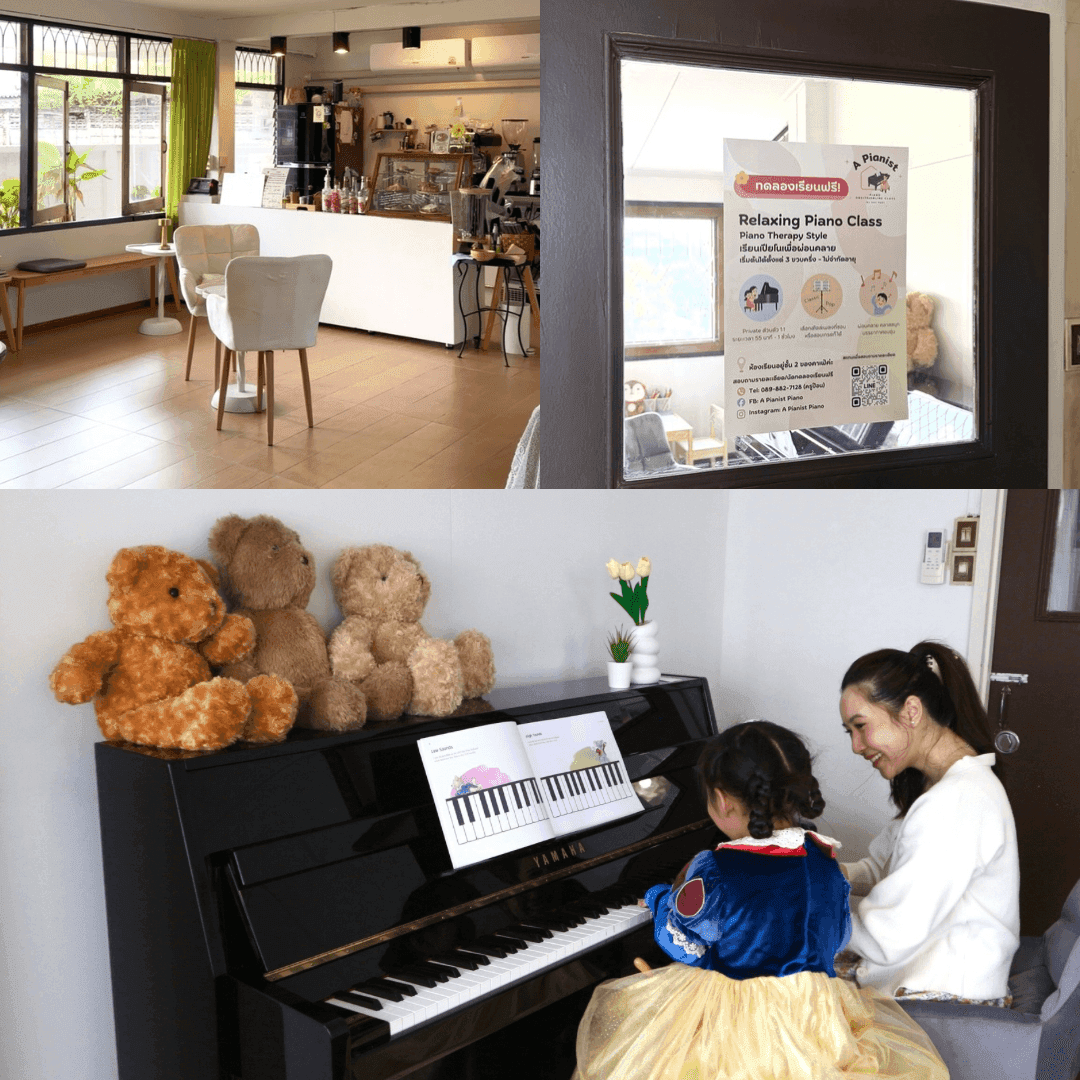
Piano Lessons in Nonthaburi — Everything to Know Before Your First Lesson
Looking for piano lessons near Nonthaburi? This guide covers course options, pricing, how to get here, and what to expect from your first lesson.
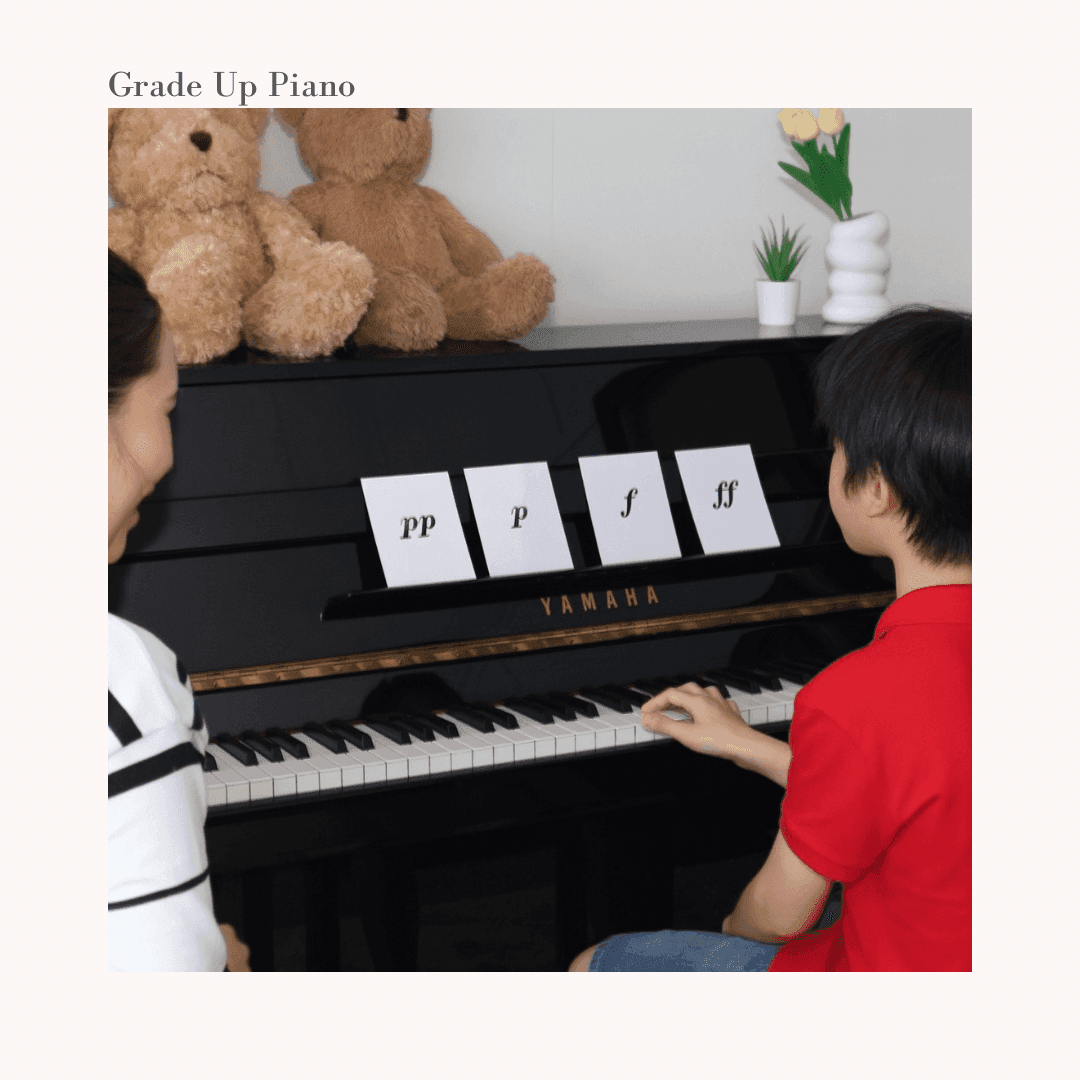
Piano Lesson Prices in Thailand 2026 — What You Get and What to Expect
Wondering how much piano lessons cost in Thailand? This post breaks down group vs. private, online vs. onsite, and what questions to ask before you pay.
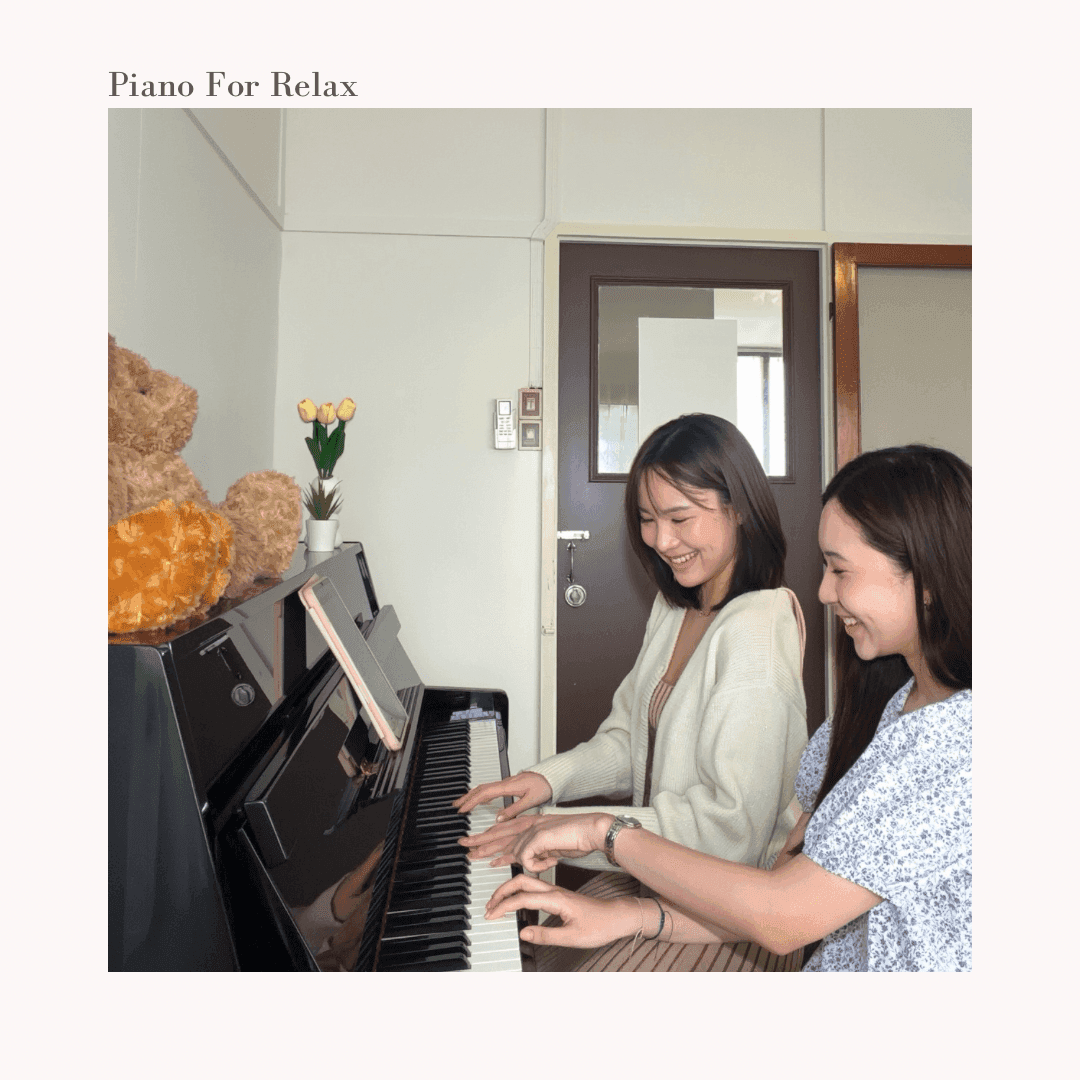
Can I start piano at 30+? (Yes — here's how it actually goes)
Starting piano as an adult is not 'too late.' Here's what the first lesson actually feels like and the worries that fade away within the first month.