
7 May 2026 · 6 min
FormatOnline vs Onsite Piano Lessons — What's the Difference and Which to Choose?
Is online or onsite piano better? This post compares both formats honestly — pros, cons, and which suits different types of learner.
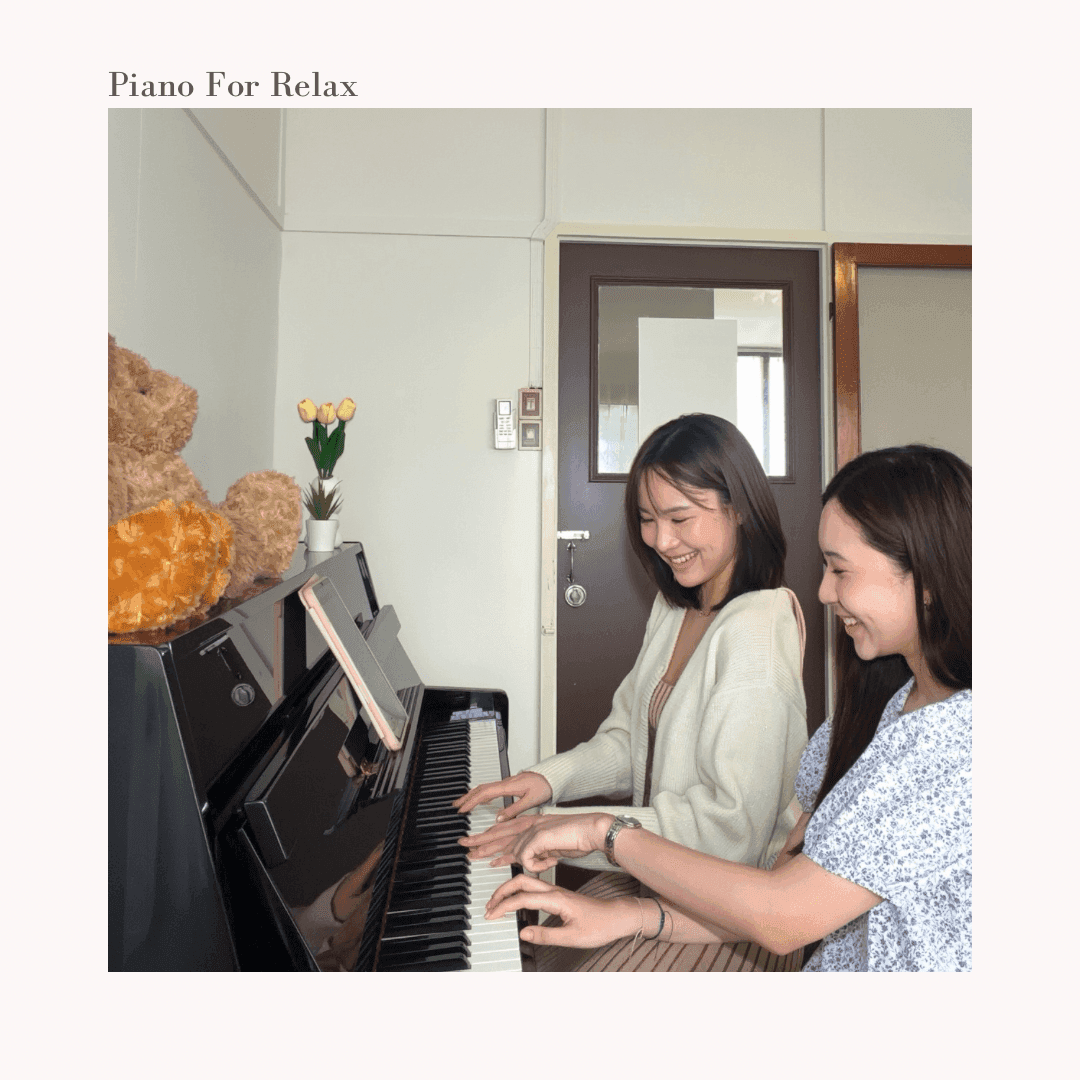
What's the difference between online and onsite piano lessons?
Online means live lessons via video call (Google Meets) with your teacher from anywhere. Onsite means coming to the studio for in-person teaching. Both are live sessions with the same teacher; the key differences are location and whether the teacher can physically guide your posture. Neither format is universally better — it depends on your lifestyle and goals.
Advantages of online piano lessons
No commute — saves time and travel cost. Great for people outside Bangkok or with busy schedules. Slightly lower price (฿1,990 / 4 classes). Flexible scheduling, and you can learn from anywhere with a stable connection. At A Pianist Piano, online students also have access to a browser-based AI hand coach during their session, so online feedback isn't inferior to onsite.
Advantages of onsite piano lessons
The teacher can physically adjust your posture and hand position — wrist angle, finger placement, sitting height — things that are difficult to correct through a screen. The studio environment at A Pianist Piano promotes focus in a way your home may not. You play on a Yamaha upright with proper key weight and acoustic sound. And you get relaxed before/after-class time to chat with Kru Pont.
Which format suits you?
Choose Online if: you need maximum flexibility, live outside the Nonthaburi area, already have a keyboard at home, or have a schedule that makes commuting impractical. Choose Onsite if: you learn better in a defined environment, want to play on a real piano, are preparing for a Trinity graded exam, or are bringing a young child.
Can you mix Online and Onsite in the same package?
Yes — at A Pianist Piano you can mix Online and Onsite sessions within the same package. No separate purchase needed. Many students do most sessions onsite but switch to online during heavy rain, busy weeks, or time away from Bangkok. This flexibility means you never need to waste a class unnecessarily.
What equipment do you need for online?
A digital keyboard with at least 61 keys and touch sensitivity (harder press = louder sound), a stable internet connection of at least 10 Mbps, a camera that can clearly show your hands (a laptop camera or phone on a small stand works well), and decent speakers or headphones. If you're unsure whether your current keyboard qualifies, send Kru Pont a photo before booking.
Is online suitable for children?
Suitable for children aged 5 and up who have sufficient attention span and have a parent sitting alongside during class. For younger children, Onsite is recommended first so the teacher can physically guide posture and build familiarity with a real piano. Parents who have a keyboard at home and can sit with the child throughout class will find Online works well for early primary-school-age students.
More articles
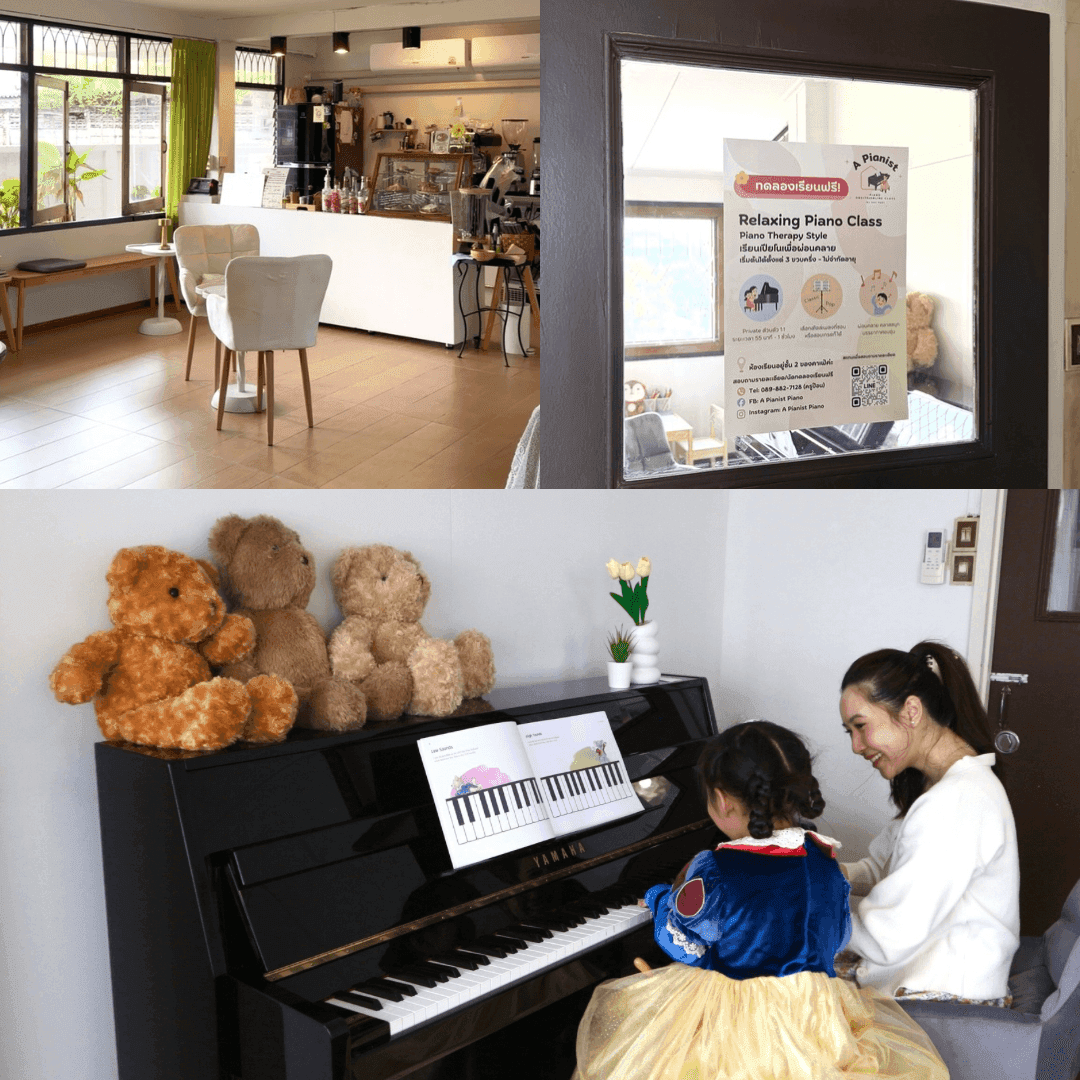
Piano Lessons in Nonthaburi — Everything to Know Before Your First Lesson
Looking for piano lessons near Nonthaburi? This guide covers course options, pricing, how to get here, and what to expect from your first lesson.
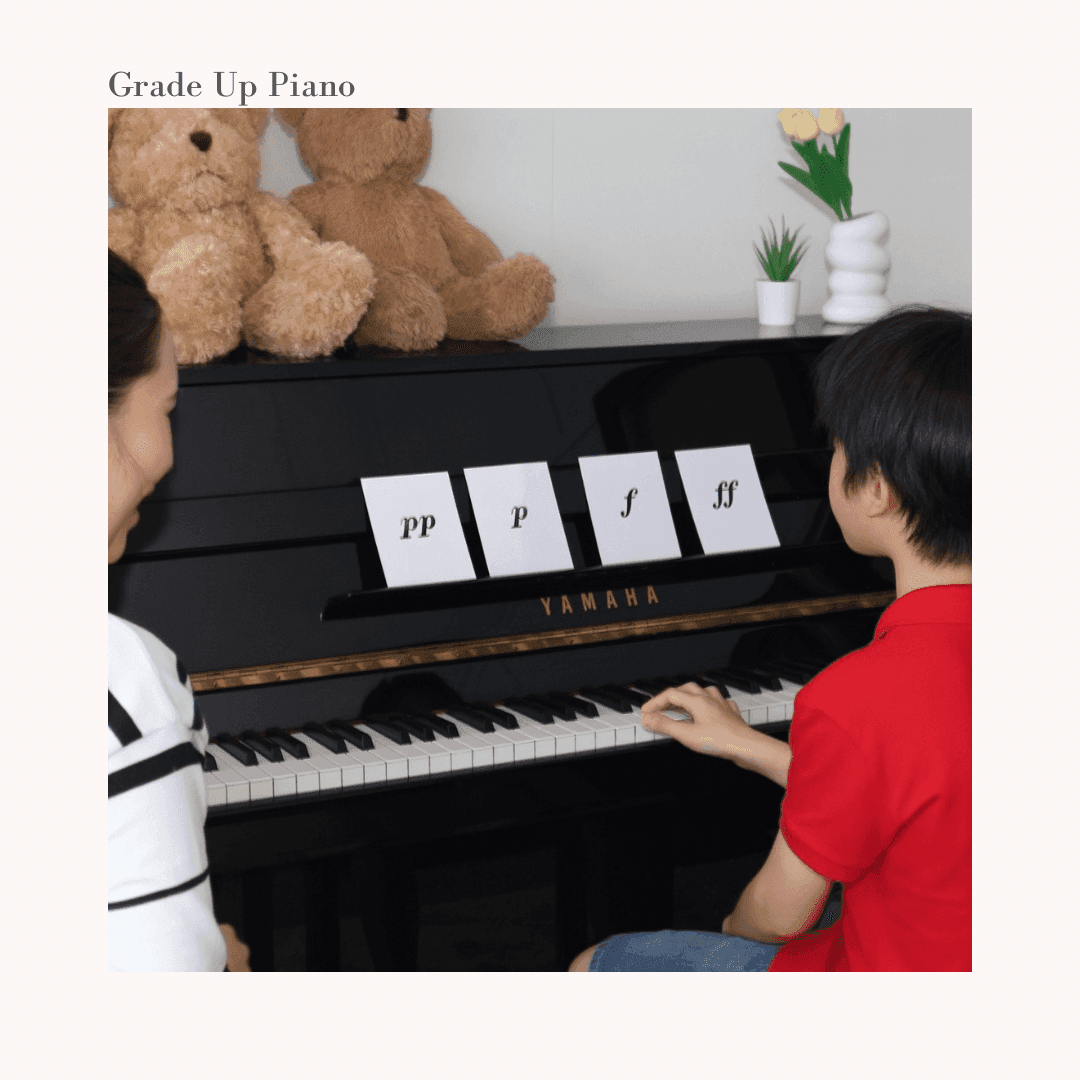
Piano Lesson Prices in Thailand 2026 — What You Get and What to Expect
Wondering how much piano lessons cost in Thailand? This post breaks down group vs. private, online vs. onsite, and what questions to ask before you pay.
Can I start piano at 30+? (Yes — here's how it actually goes)
Starting piano as an adult is not 'too late.' Here's what the first lesson actually feels like and the worries that fade away within the first month.