
6 May 2026 · 6 min
WellnessCan Piano Actually Reduce Stress? — Research Evidence and Classroom Observations
Many people start piano lessons to unwind — but is there real evidence it works? Kru Pont combines research findings with what students actually report in class.
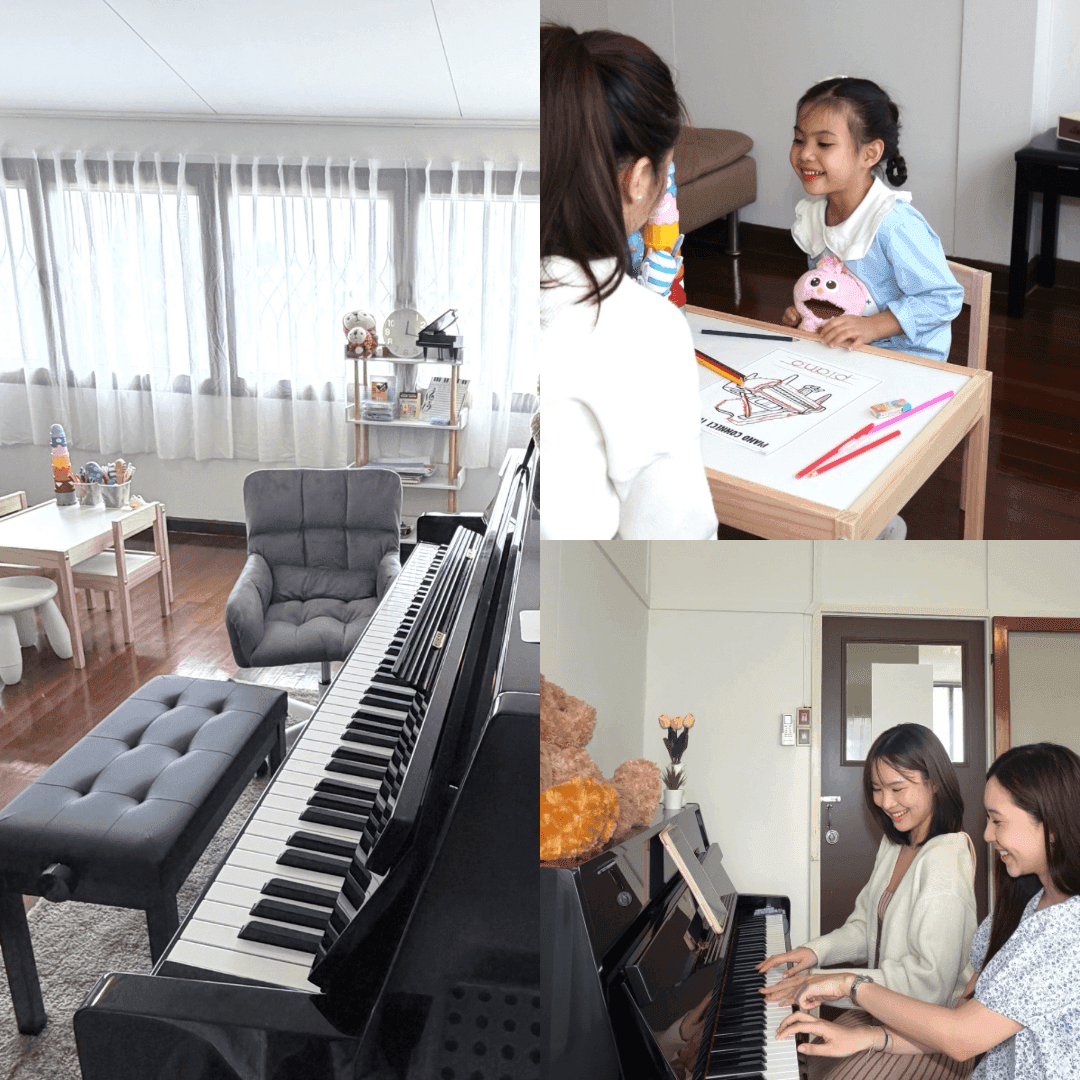
Music Therapy and piano playing
Music Therapy is a recognised field in medicine and psychology. Research has found that active music-making (playing, not just listening) measurably reduces cortisol — the body's primary stress hormone — in the bloodstream. It also triggers dopamine, the feel-good and reward neurotransmitter. The difference between listening and playing is active participation, which causes the brain to release these neurochemicals at higher levels.
Why piano specifically helps with stress
Piano engages the body and brain in several simultaneous tasks — reading or recalling music, coordinating two hands independently, listening to the sound and adjusting in real time. This process is a form of active mindfulness: the mind is fully occupied, leaving no bandwidth for anxious thought. Unlike sitting meditation — where some people find their thoughts loop more loudly — piano gives the mind something gentle but absorbing to do.
What do students actually report?
From Piano for Relax classes at A Pianist Piano, the most common things students mention in the first month: falling asleep more easily on lesson nights; reduced background anxiety during the day; a distinct, reliable hour that feels like their own time; and small wins from learning songs building general confidence. These aren't side-effects — they're outcomes the class is deliberately designed to produce.
How does A Pianist Piano apply Music Therapy principles?
Kru Pont builds Music Therapy thinking into three parts of every class: opening with four slow breaths before touching the keys; choosing music that has personal meaning to each student rather than standardised test pieces; and ending every session with a comfortable, stress-free piece to land softly. This structure — called the 'arc of the session' — is a concept used widely in Music Therapy practice. Read more in Piano as Music Therapy.
Piano vs other relaxation approaches
Compared to yoga or meditation, piano gives something extra: a tangible result ('I can now play this piece') that builds self-efficacy alongside the calm. Unlike exercise, which can temporarily raise stress hormones, piano delivers benefit from the very first lesson. Over time, the skill you build becomes a lifelong asset for self-regulation.
What do you need to start piano for relaxation?
Nothing special — no musical background, no piano at home, no clear end goal required. Bring one favourite song you've always wanted to play. Kru Pont handles everything from there, including designing a learning path that fits your schedule and energy level.
Piano and long-term mental health
Longitudinal studies have found that adults who play a musical instrument regularly show lower risk of cognitive decline in later life. Beyond that, having a skill-based hobby with clear progress gives a sense of purpose and daily engagement — key factors in positive mental health according to psychological research. Piano isn't just stress relief for today; it's an investment in wellbeing for the years ahead.
More articles
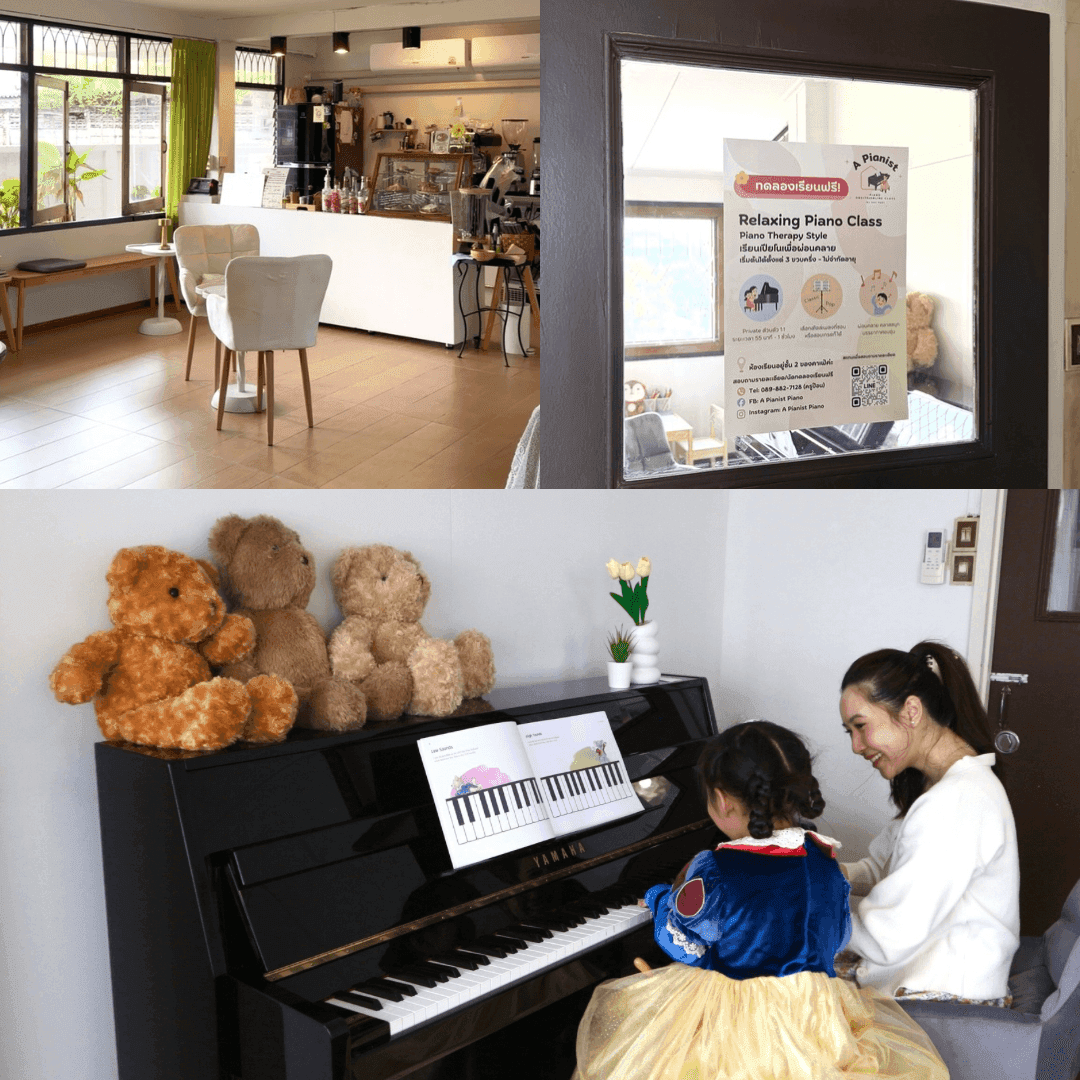
Piano Lessons in Nonthaburi — Everything to Know Before Your First Lesson
Looking for piano lessons near Nonthaburi? This guide covers course options, pricing, how to get here, and what to expect from your first lesson.
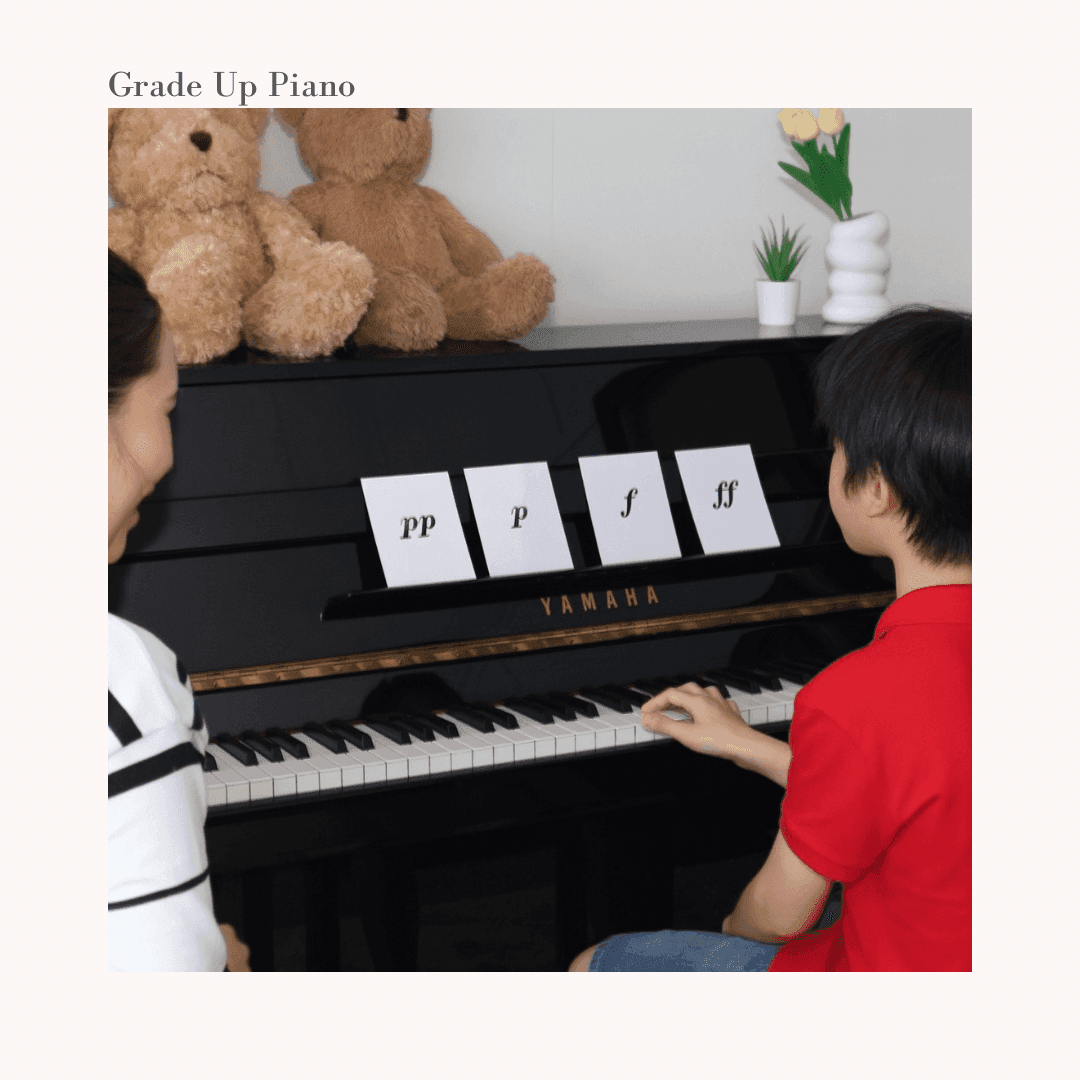
Piano Lesson Prices in Thailand 2026 — What You Get and What to Expect
Wondering how much piano lessons cost in Thailand? This post breaks down group vs. private, online vs. onsite, and what questions to ask before you pay.
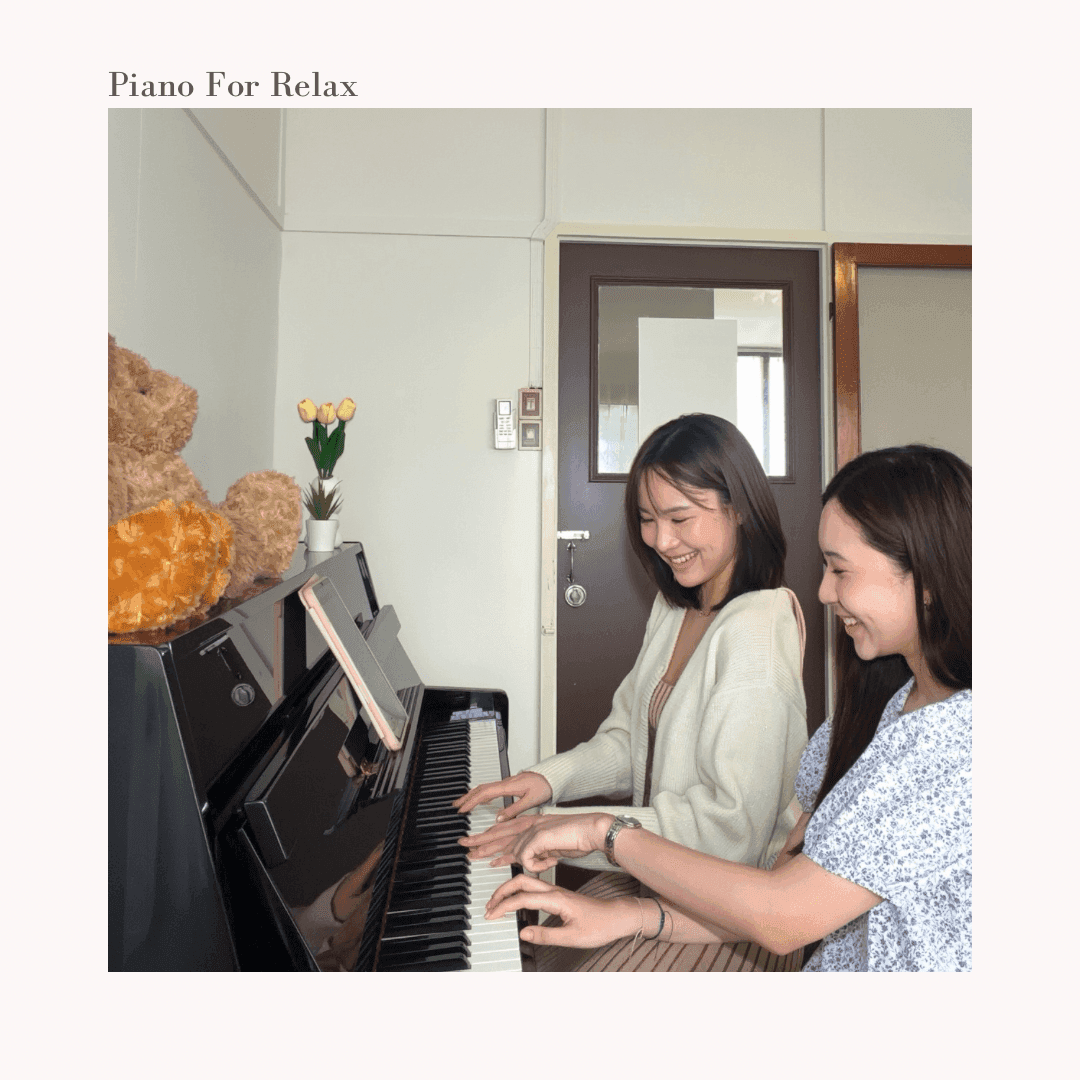
Can I start piano at 30+? (Yes — here's how it actually goes)
Starting piano as an adult is not 'too late.' Here's what the first lesson actually feels like and the worries that fade away within the first month.